Working with the architect from the start
Metal roofing projects in Winchester are usually design-led, and the best outcomes come from involving the roofer early alongside the architect. Standing-seam zinc and copper have specific requirements — minimum pitches, substrate ventilation, thermal movement provision, seam spacing — that are far cheaper to design in than to retrofit. We work from architects' drawings and flag the technical constraints before they become site problems.
The patina question
Homeowners choosing between zinc and copper are often really choosing how they want the roof to age. Zinc weathers quickly to a stable soft matt grey and stays there. Copper is a longer journey — bright metal, then russet brown over a few years, then eventually the classic verdigris green over decades. Both are beautiful; the choice is about the look you want now versus the one you are prepared to wait for. We talk this through at the design survey.
Substrate and ventilation
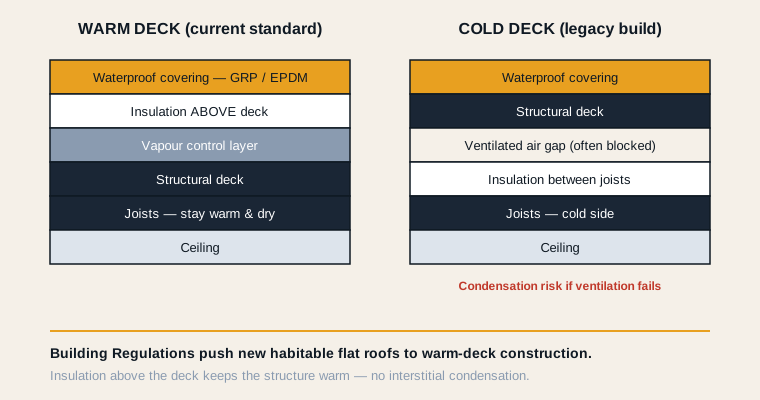
A standing-seam metal roof is only as good as what sits beneath it. The substrate must be correctly built and ventilated, because metal roofs can suffer underside condensation if the detail is wrong. This is where FTMRC technical standards matter, and where a specialist installer earns their place over a general roofer — the visible seams are the easy part; the ventilation and movement detailing beneath is what makes the roof last a century.
The conservation reality in Winchester
Winchester's heritage setting is the defining constraint on metal roofing. A zinc or copper roof that would be welcomed on a concealed rear extension is frequently refused on a visible principal elevation within a conservation area. The workable strategy is almost always to keep the metal to the rear, out of the principal street view, where the conservation officer is comfortable and the contemporary design intent is still fully realised. Advising on this early — before the design is fixed — is what keeps a Winchester metal roof project out of a planning refusal.